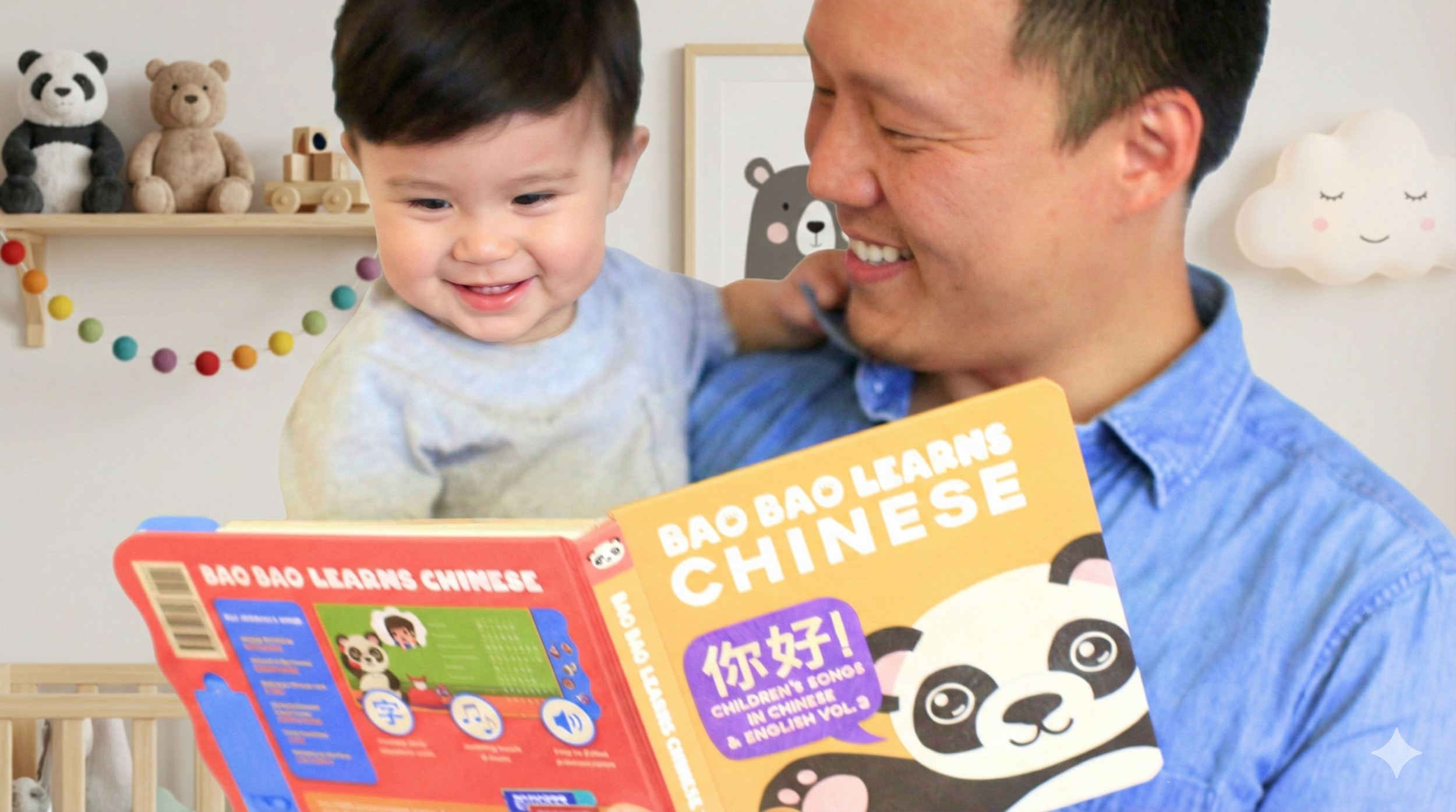
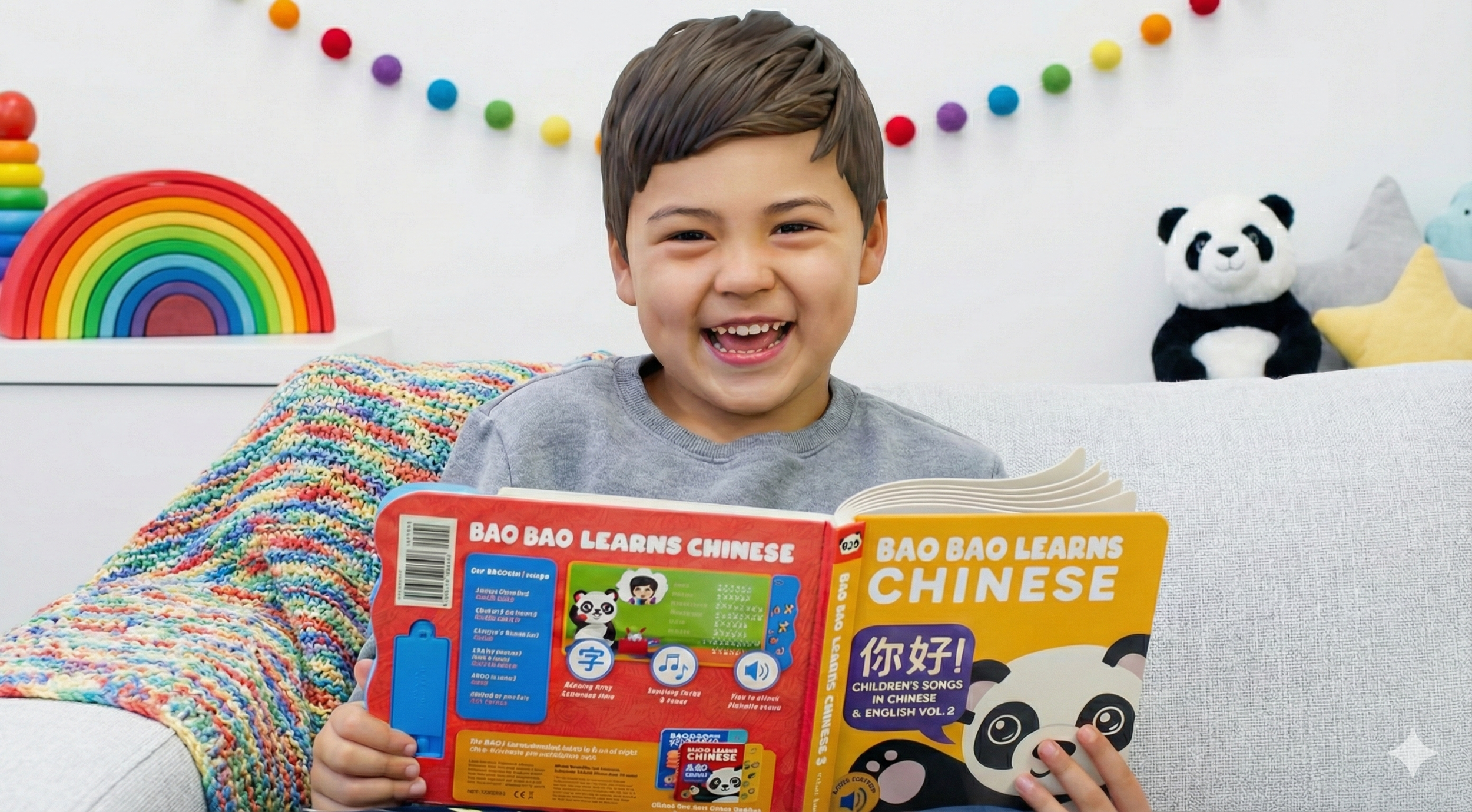
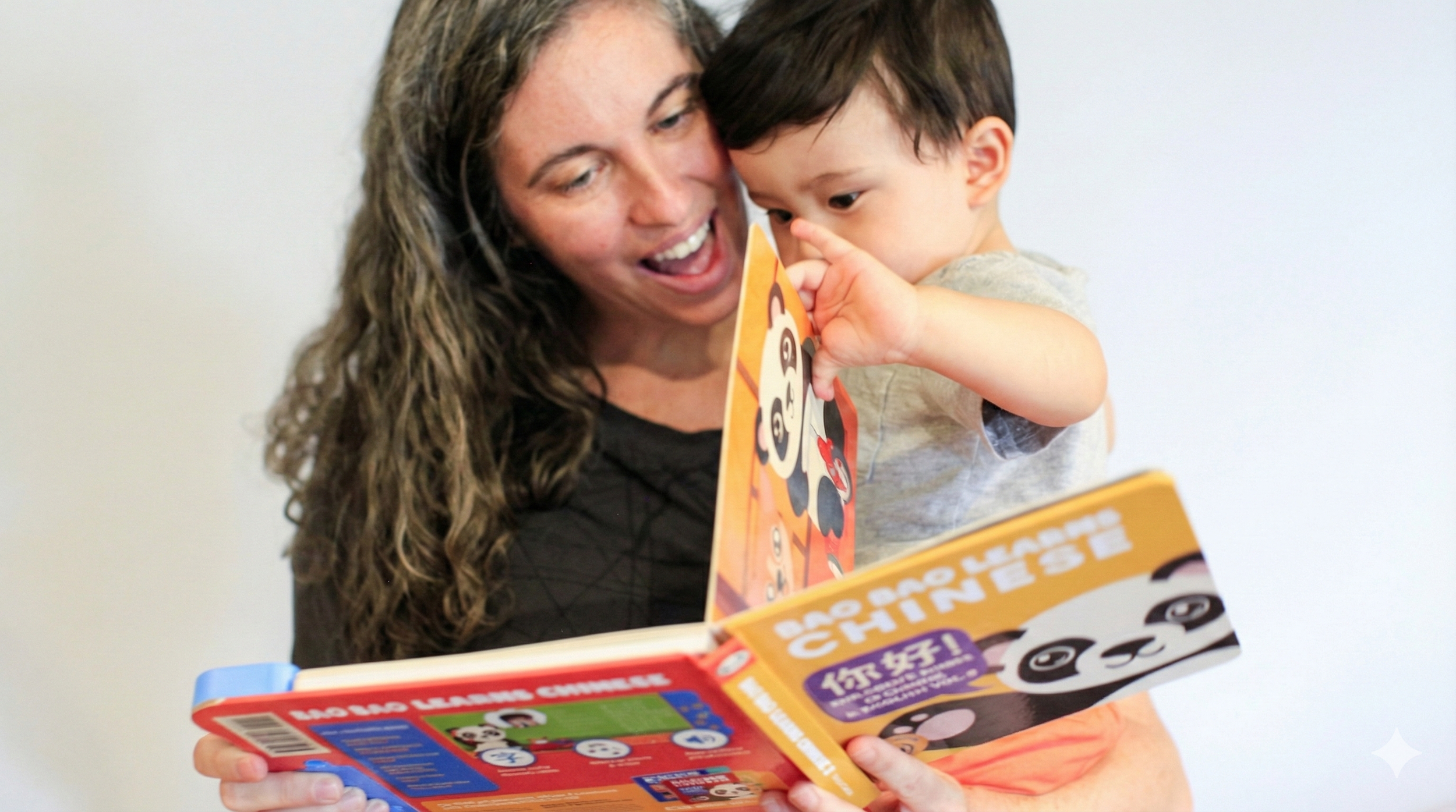
If you’ve ever read to a toddler, you know one thing for certain: they love repetition. They’ll ask you to read the same book over and over again until you could recite it in your sleep. And while this might test a parent’s patience, it’s actually one of the most important ways young children learn.
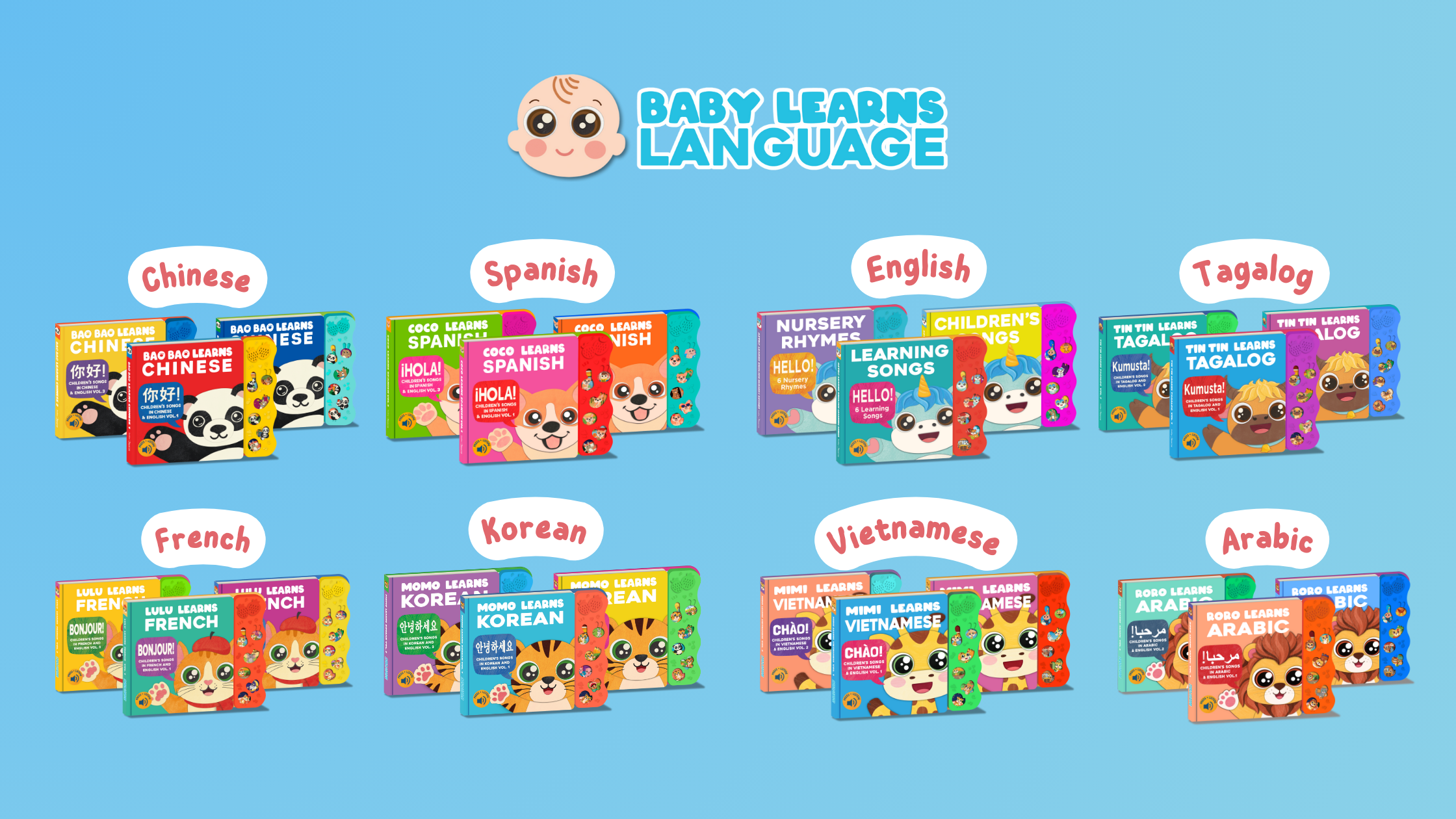
When it comes to language learning, repetition isn’t just helpful, it’s essential. That’s why our Bao Bao Learns Chinese books are filled with rhymes, familiar phrases, and repeated words. They don’t just entertain; they give toddlers the building blocks for early communication.
Why Toddlers Thrive on Repetition
Toddlers are constantly trying to make sense of the world around them. By hearing the same words and phrases repeatedly, their brains begin to recognize patterns. They start anticipating what comes next, often joining in before you even finish a sentence.
For example, if a toddler hears “Liǎng zhī lǎohǔ” (“Two Tigers”) several times through a Chinese sound book, they’ll begin to remember not just the melody but the Mandarin words themselves. This kind of exposure builds familiarity and comfort with a new language.
Far from being boring, repetition gives toddlers the confidence that they understand and can participate. It’s this sense of mastery that keeps them coming back to the same story again and again.
How Repetition Supports Mandarin Learning
Mandarin is a tonal language, which means pitch changes the meaning of a word. Repetition is one of the best tools to help toddlers hear and internalize these tones. When children hear the same nursery rhyme or phrase multiple times, their ears begin to distinguish the tonal differences naturally. Chinese toddler books often pair these repeated words with pictures. A song about animals might show a tiger, a cat, and a bird. Over time, your child connects the Mandarin word with the image, strengthening their vocabulary through both sound and sight.
The Role of Interactive Books
One reason Chinese sound books are so effective is because they combine repetition with play. Every time your child presses a button, they hear the same phrase or song in Mandarin. The act of pressing reinforces their control, while the repeated sound reinforces their memory.
Parents don’t need to know Mandarin to make this work. Because many of these books are bilingual Chinese-English books for kids, you can read the English side and let the sound buttons provide the Mandarin. That way, your child hears the correct pronunciation every single time, something even the most dedicated parent can’t always replicate.
Why This Stage Matters So Much
The toddler years are a golden window for language learning. Children’s brains are wired to absorb new sounds, and they don’t yet carry the self-consciousness that older kids and adults sometimes feel when learning a new language. Repetition at this stage lays a foundation that can last a lifetime.
When you invest in high-quality Chinese learning books for kids, you’re not just keeping your toddler entertained. You’re shaping their ability to pick up a second language with ease.
Making Repetition Fun at Home
Parents sometimes worry about reading the same book 20 times in a row. But with Chinese toddler books, each read-through is an opportunity for deeper learning. Here are a few tips to make repetition enjoyable:
Sing along: Encourage your child to join you in singing Mandarin rhymes.
Act it out: Use hand motions or silly faces to keep the story lively.
Celebrate progress: When your toddler repeats a Mandarin word back to you, celebrate that success.
Final Thoughts: Repetition Builds Confidence
Repetition may test your patience as a parent, but it’s the key to your toddler’s growth. By hearing the same sounds, phrases, and rhymes over and over, children build vocabulary, tone recognition, and confidence.
So the next time your toddler insists on reading their favorite Chinese toddler book for the hundredth time, remember this: each read is one more step toward fluency. What feels repetitive to you is building a foundation of knowledge and connection for them.