When parents think about introducing a second language, especially something as unique as Mandarin, it can feel overwhelming at first. Many wonder: Will my child understand it? Will they enjoy it? How can I teach a language I don’t speak myself? The good news is this: children are natural learners, and one of the most powerful ways to introduce Mandarin is through something they already love—music and play.
At Bao Bao Learns Chinese, we believe learning should feel joyful. That’s why our Mandarin books for kids are built around songs and rhymes. Let’s take a closer look at why this approach works so well and how it makes learning Chinese for kids not only easier but fun for the whole family.
Why Music Works for Language Learning
Think back to how your child learned their first words in English. Most likely, it was through repetition, sing-song voices, and nursery rhymes like “Twinkle, Twinkle, Little Star” or “The Wheels on the Bus.” Music naturally breaks language into rhythm and patterns, making it easier for young brains to process and remember.
Mandarin, as a tonal language, is especially suited to music-based learning. Each tone carries meaning, and songs help children hear these differences more clearly. By listening and singing along, kids develop an ear for tone without even realizing it.
That’s why our Chinese story books for kids include familiar tunes, sometimes with a Mandarin twist. The melody is recognizable, so children feel comfortable, while the new language introduces a fresh learning challenge.
How Play Turns Learning Into Habit
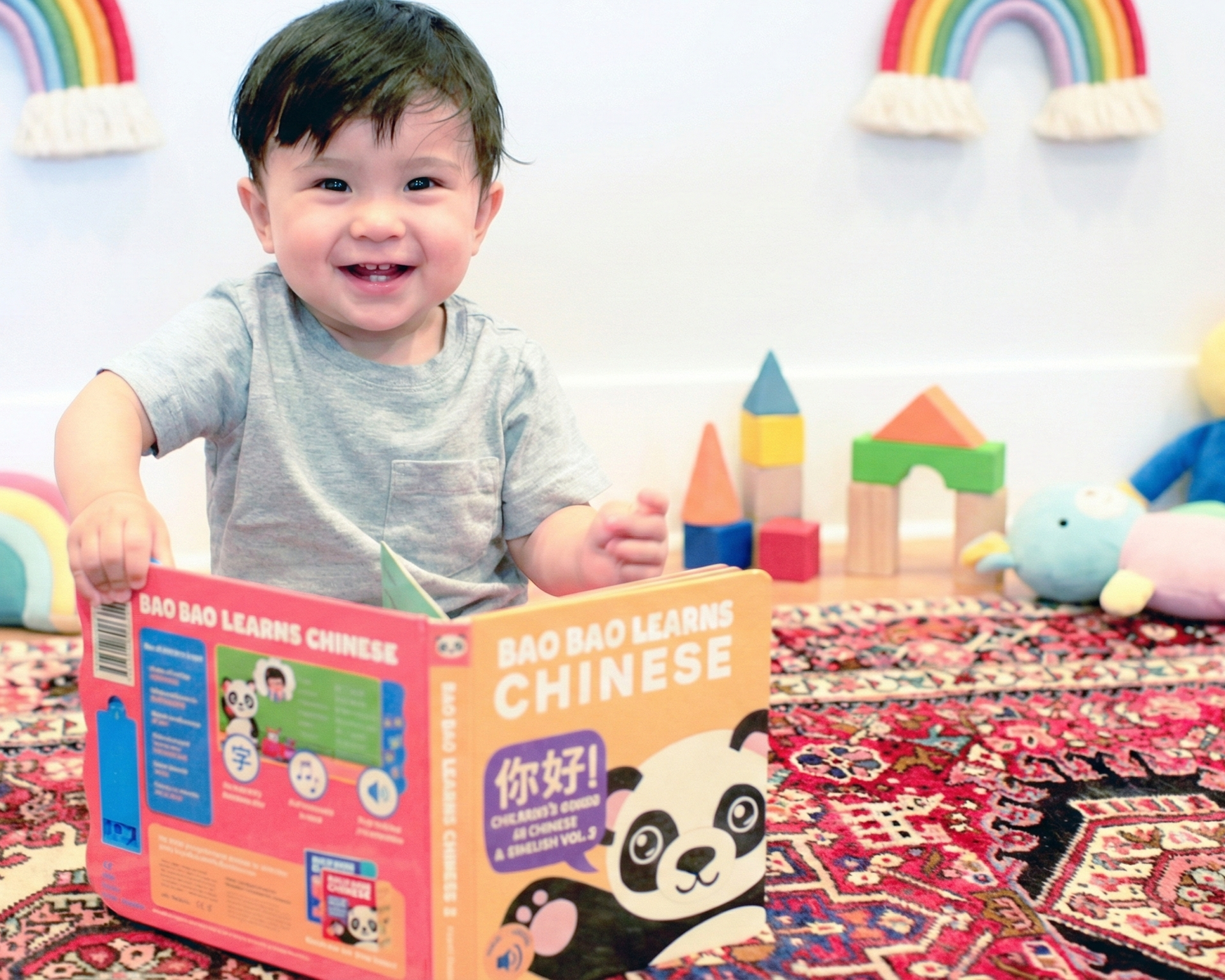
Play is at the heart of every child’s day. When you combine learning with play, it stops being a “lesson” and instead becomes an experience. For example, when a toddler presses a button on a Chinese sound book and hears a nursery rhyme in Mandarin, they laugh, clap, and press again. What seems like play is actually early repetition—one of the building blocks of language acquisition.
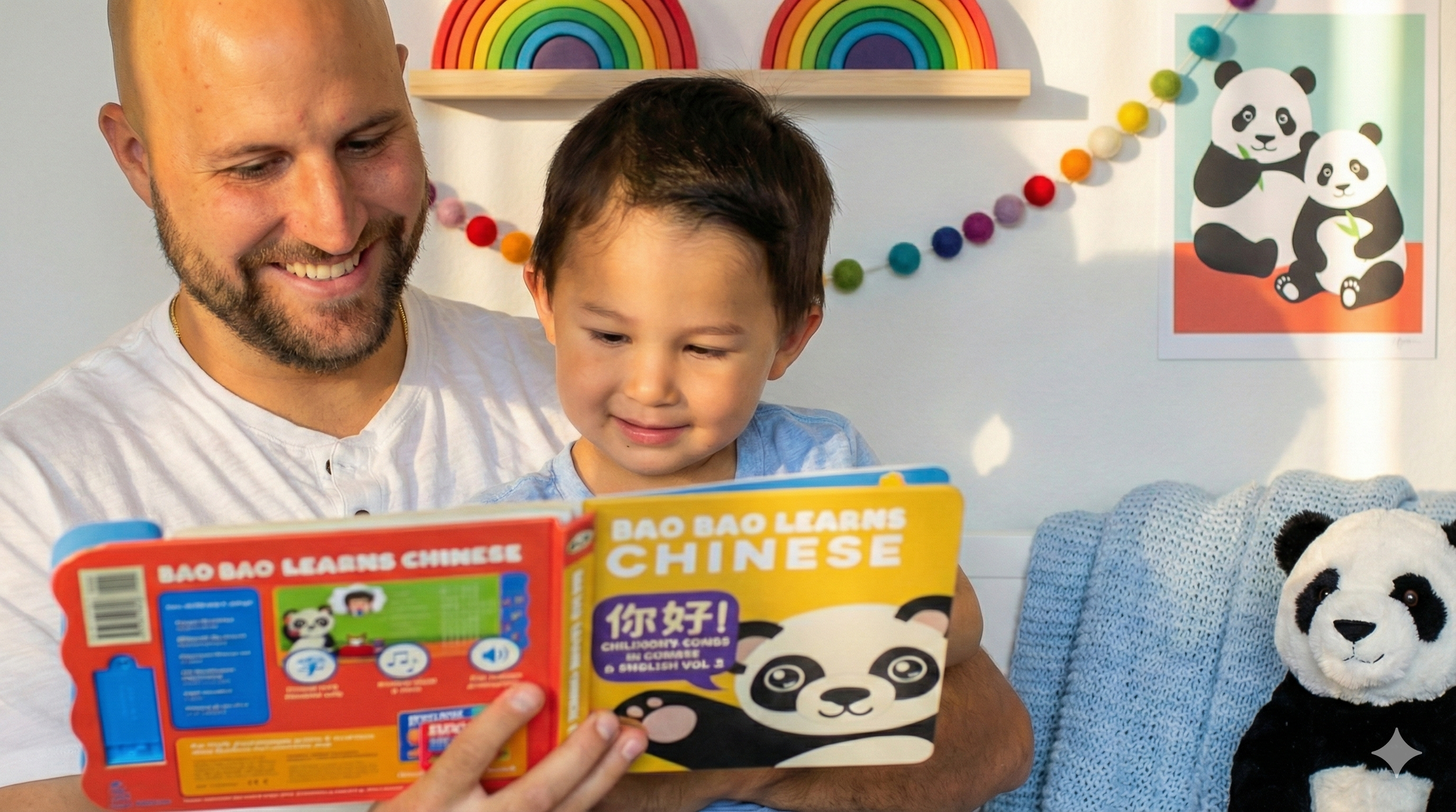
Parents who don’t speak Mandarin can still be part of the fun. Because our books are bilingual, you can read along in English, then press the button to hear the Mandarin version. Your child hears both languages, understands the connection, and begins to associate words with meaning. This type of bilingual Chinese-English book for kids ensures the whole family can enjoy learning together.
Building Confidence, One Song at a Time
For many families, introducing Mandarin isn’t just about language, it’s about culture, connection, and confidence. Singing familiar songs like “Two Tigers” (Liǎng Zhī Lǎohǔ 两只老虎) or “Happy Birthday” in Mandarin gives children a sense of achievement. They can perform for grandparents, share it with friends, or sing proudly at home.
These small moments of success build confidence that carries over to other parts of their learning journey. Instead of feeling that Mandarin is difficult or unfamiliar, they see it as something fun and rewarding.
Why Parents Love This Method Too
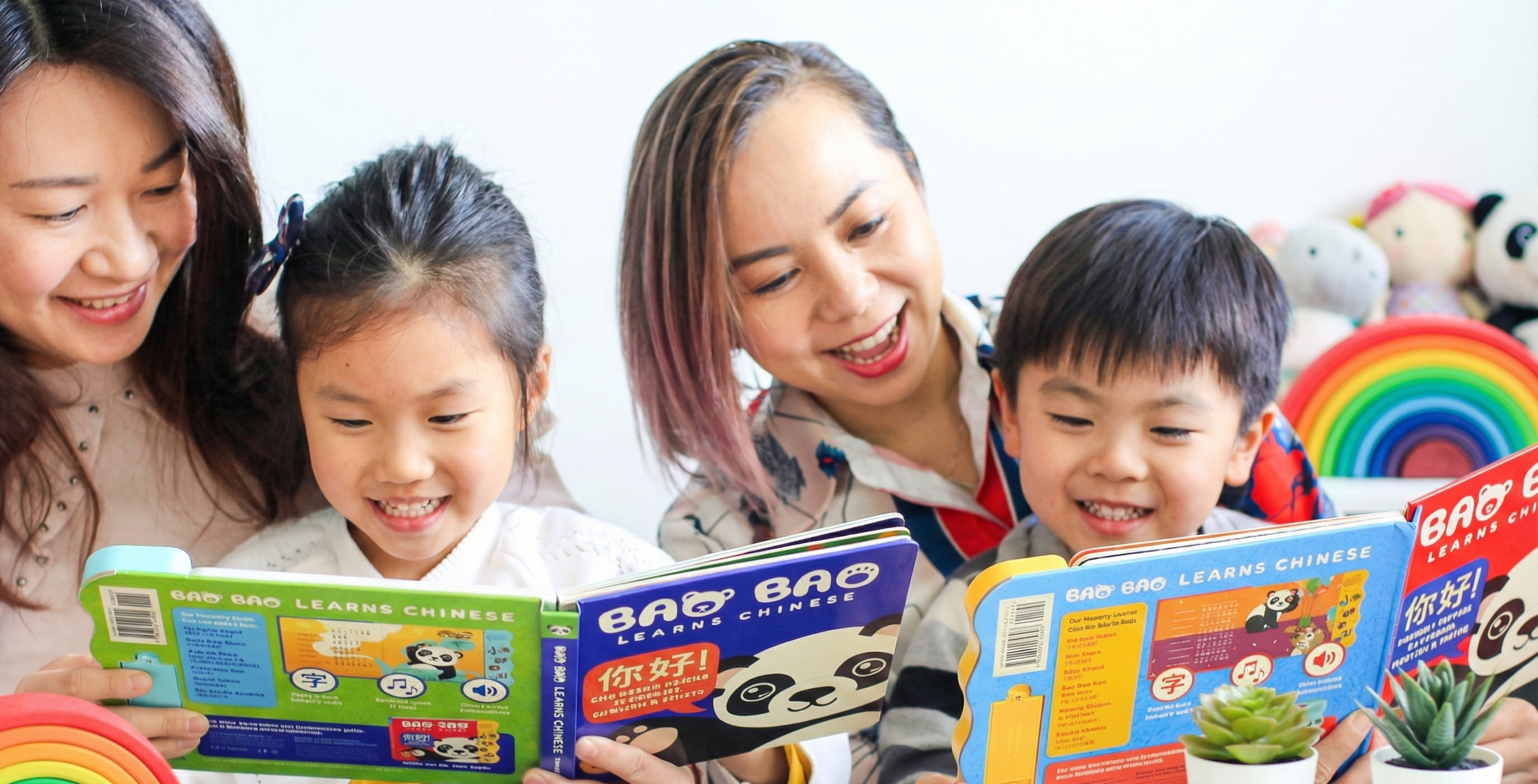
Many parents tell us they love the experience just as much as their kids do. For those who didn’t grow up speaking Mandarin, learning alongside their child becomes a bonding activity. Hearing songs together, laughing over silly lyrics, and dancing around the living room transforms what could feel like a challenge into a memory-making experience.
Even grandparents love joining in. For some families, our books reconnect older generations with songs they grew up with. For others, they introduce cultural traditions that hadn’t yet been passed down.
A Joyful Start to Language Learning
If you’ve been thinking about introducing Mandarin but aren’t sure where to start, music and play are the simplest entry points. With a Chinese sound book or Mandarin book for beginners, your child can begin learning tones, rhythm, and basic words in a way that feels effortless.
At Bao Bao Learns Chinese, we believe language learning should be filled with laughter, curiosity, and joy. After all, what better way to learn than through music, story, and play?
So, the next time you press play on a nursery rhyme, imagine how much more powerful it could be when sung in Mandarin. It’s not just a song, it’s the first step in your child’s journey toward bilingualism.